

Lessons Learned Building Multiple Businesses
When I started my entrepreneurial journey, I thought success came from working harder. Over time, I learned something very different.
Most business problems are not effort problems. They are systems problems. The more businesses I built, the more I noticed the same patterns appearing over and over. I call this pattern The Infrastructure Lesson™.
Quick Answer: What Are The Most Important Lessons From Building Multiple Businesses?
The single biggest lesson: growth reveals your infrastructure gaps, it doesn’t create them. Every business problem I encountered was already present before growth happened. Growth just made it visible.
The businesses that survived had systems, communication infrastructure, clear operations, and credibility built before they needed it. The ones that struggled were built on effort alone.
Ten lessons summarized: Growth exposes weaknesses. Communication is infrastructure. Systems beat hustle. Technology is a multiplier. Credibility opens doors. Most entrepreneurs focus on the wrong things. Customer experience is a competitive advantage. Operations determine scalability. Consistency wins. Infrastructure creates freedom.

Growth Exposes Weaknesses
This is the lesson most founders learn the hard way.
When your business grows, you do not suddenly develop new problems. You discover the problems that were always there. They were just small enough to ignore.
The team communication issue that felt manageable with three people becomes a crisis with ten. The follow-up process that worked when you had five clients breaks down with fifty. The manual invoicing system that was fine at low volume becomes a bottleneck when revenue doubles.
Growth is a stress test. It reveals the truth about how your business actually operates.
Every business I built taught me the same thing: fix the infrastructure before you need it. Do not wait for growth to expose the cracks. Build solid systems while there is still room to breathe.
If you want to go deeper on this, the Business Infrastructure Framework documents the operational structure that prevents this from happening.
Communication Is More Important Than Most People Realize
Bad communication is one of the most common reasons businesses lose customers and fail to grow.
It shows up in ways people do not always recognize. Missed calls. Slow follow-up. Inconsistent responses. No system for capturing inquiries. Team members who do not know what was promised to a client.
Communication is not a soft skill. It is a business infrastructure problem.
When I built Global Voice Direct, it came directly from this lesson. Businesses were not losing customers because their product was bad. They were losing customers because their communication infrastructure could not keep up with demand. Calls were going unanswered. Leads were falling through the gaps. There was no reliable system for follow-up.
Communication infrastructure means having a system that responds, follows up, and maintains contact — even when you are not personally available. That system is what keeps revenue from walking out the door.

Systems Beat Hustle
Early in my entrepreneurial journey, I believed effort was the answer. Work more hours. Push harder. Be the last one in the room.
That belief got me somewhere. But it also had a ceiling.
The businesses that scaled past that ceiling did not do it by working harder. They did it by documenting how the work got done and removing the dependency on any single person — including me.
A documented system does not call in sick. It does not forget the process. It does not need to be retrained every time someone new joins.
Every time I built a system to replace a manual habit, I recovered time. Every time I documented a process instead of just executing it, I created leverage.
Hustle is an engine. Systems are infrastructure. You need both, but only one of them scales.
The Startup Operations Framework is where I document how this works in practice for early-stage businesses.
Technology Is A Multiplier
Technology does not fix a broken business. But it dramatically amplifies a business that already has solid fundamentals.
A CRM does not create a sales process. It makes an existing sales process faster and more consistent. Automation does not replace strategy. It removes the manual execution that strategy should not require in the first place.
The question is not whether you should use technology. The question is whether you are using the right technology for the right problems.
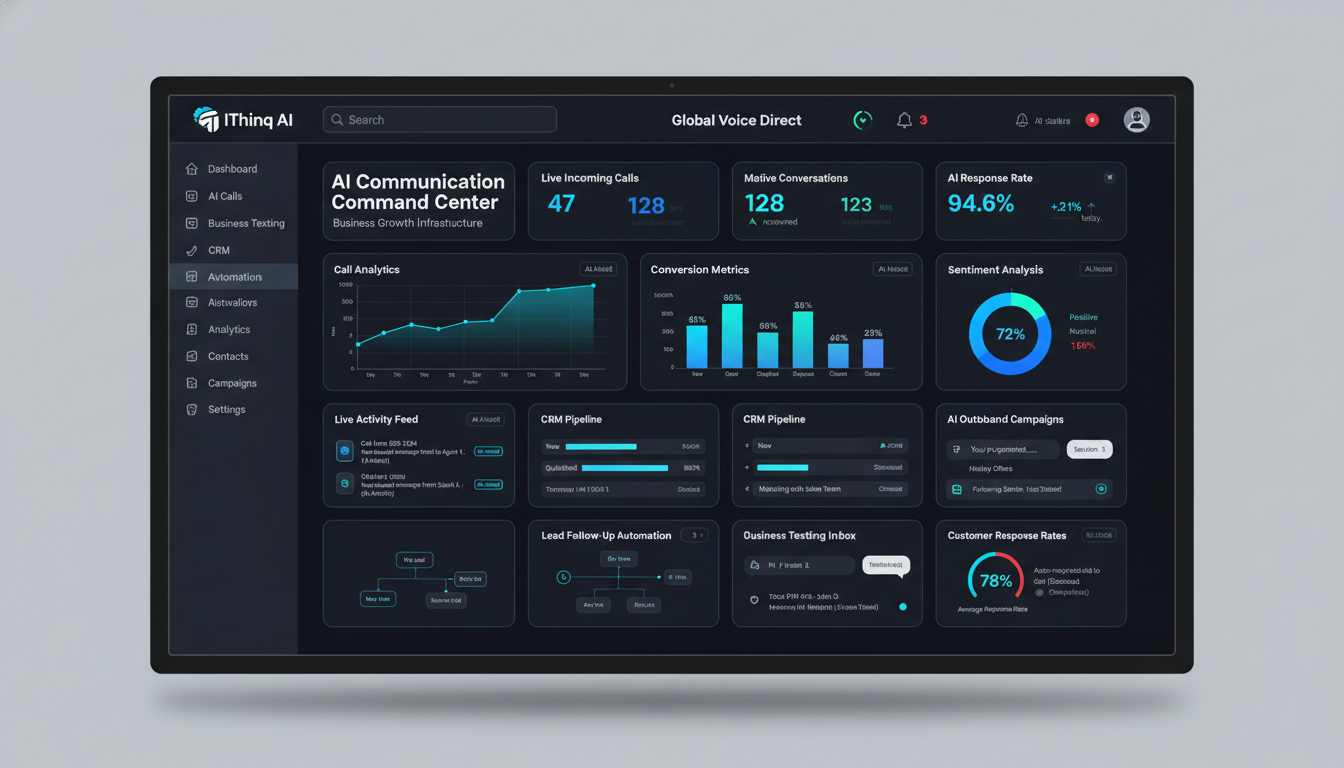
AI is the most powerful multiplier I have encountered in building businesses. The businesses I work with through IThinq AI are using artificial intelligence to handle communication tasks that used to require full-time staff — answering calls, qualifying leads, following up with customers, and managing routine inquiries. That is not replacing human intelligence. That is applying technology where it performs reliably so human intelligence can go where it matters more.
Credibility Opens Doors
Opportunity rarely comes to businesses that look uncertain. Vendors extend better terms to businesses that look established. Clients pay faster when they trust the operation they are dealing with. Lenders look more favorably at businesses that present themselves professionally.
Credibility is not just about reputation. It is about the signals your business sends before anyone speaks to you.
A professional phone number. A verified address. A consistent business identity across every platform. These are not vanity items. They are trust infrastructure.
I have seen businesses with great products struggle to close sales because they looked too small, too new, or too informal. And I have seen smaller businesses win larger contracts because they looked established before they technically were.
The Business Credibility Framework organizes exactly how to build this foundation systematically.
Most Entrepreneurs Focus On The Wrong Things
This one is uncomfortable. But it is true.
Most entrepreneurs are very good at being busy. They optimize tactics instead of building systems. They measure activity instead of tracking outcomes. They spend time on what feels productive instead of what actually moves the business forward.
Tactics without systems produce results that cannot be replicated. Activity without outcomes produces motion that does not compound.
I have done this. I have spent weeks on marketing campaigns while the follow-up infrastructure to capture the results did not exist. I have refined the pitch while the operations could not deliver what was promised.
The honest question for any entrepreneur: are the things I am spending the most time on actually the things that determine whether this business grows?
Most of the time, the answer requires an uncomfortable recalibration. That recalibration is what I write about in What Entrepreneurs Get Wrong About Growth.
Customer Experience Is A Competitive Advantage
In most industries, the product difference between competitors is smaller than entrepreneurs want to believe.
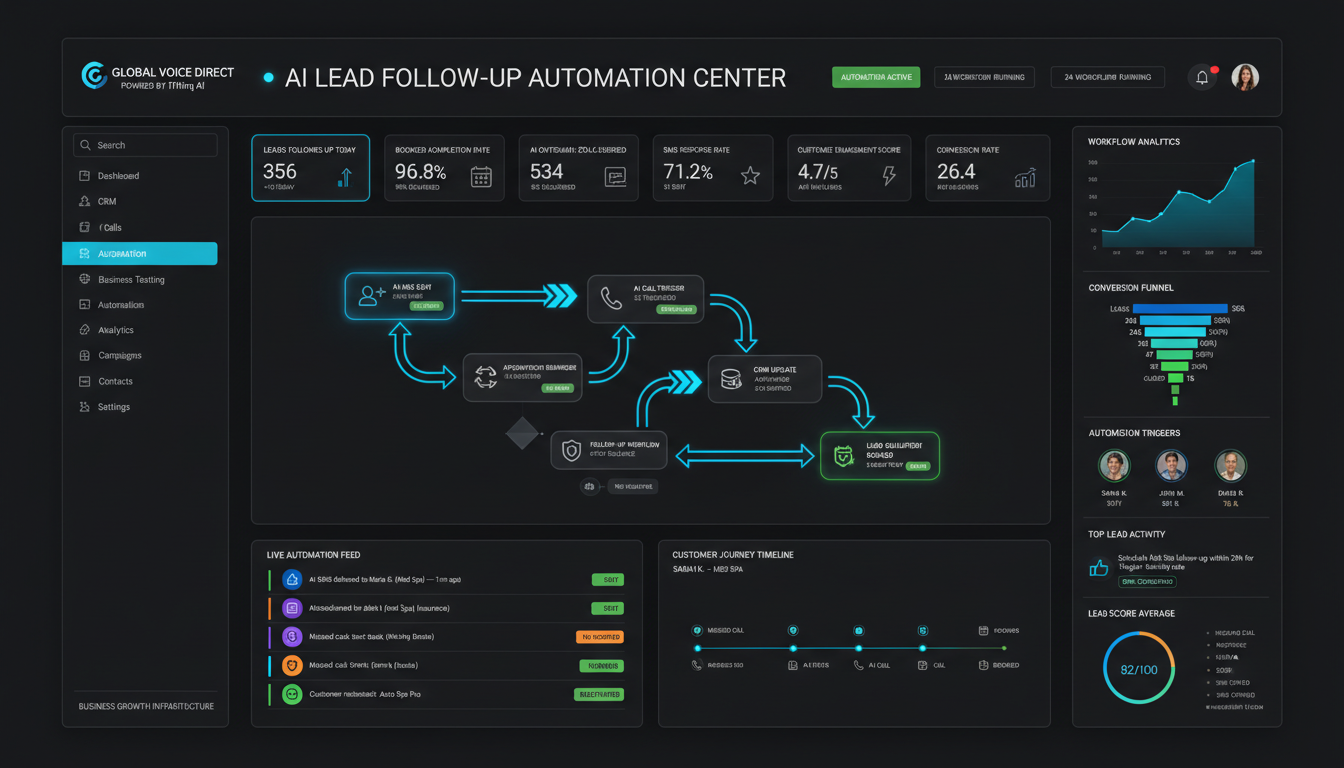
The real differentiation happens in the experience. How fast do you respond? How easy is it to do business with you? What happens when something goes wrong? Does the customer feel like they are important to you, or like they are a transaction?
Responsiveness is not a customer service feature. It is a competitive position.
The business that picks up the phone wins more often than the business with the better brochure. The business that follows up within the hour captures more sales than the business that gets back to leads the next day.
Speed and reliability in customer interaction are not soft advantages. They are measurable growth drivers.
Operations Determine Scalability
You cannot scale chaos. You can only scale structure.
Every time a business hits a growth ceiling, the ceiling is almost always operational. The team cannot handle the volume. The process breaks under pressure. The founder becomes the bottleneck because everything runs through them.
The limit of your operations is the limit of your growth.
Operational structure means clear roles, documented processes, defined handoffs, and metrics that tell you how the system is performing before problems become visible to customers.
Building this before you need it is the investment that most founders delay too long. By the time growth makes it urgent, the cost of building it is much higher than it would have been during a slower period.
Consistency Wins
Entrepreneurship has a long game. Most founders understand this intellectually. Fewer apply it operationally.
The business that shows up consistently — in communication, in content, in customer follow-up, in product delivery — builds something that cannot be bought quickly: trust over time.
Trust is the compounding asset of business. It grows slowly, loses value fast, and cannot be faked at scale.
Consistency is not glamorous. It does not trend. It does not produce viral moments. But over 12, 24, 36 months of consistent execution, it separates the businesses that are still operating from the ones that burned bright and disappeared.
The infrastructure lesson here: systems create consistency. Effort creates streaks. Build the system.
Infrastructure Creates Freedom
The final lesson is the one that ties all of the others together.
Most entrepreneurs start a business to have more freedom. More control over their time. More ownership of their outcome. More flexibility in how they work.
And then they build a business that owns them instead.
The path to freedom is not working less. It is building infrastructure that works without you.
When communication is handled by a reliable system, you stop missing opportunities while you sleep. When operations are documented and delegated, you stop being the bottleneck. When technology automates routine tasks, your time goes to the decisions only you can make.
Infrastructure is not a constraint. It is the structure that makes everything else possible. That is the lesson behind everything I build.
The Startup Growth Systems framework documents how these pieces connect into a growth infrastructure that works at scale.
The Lesson I Wish I Learned Earlier
If I could go back and tell the earlier version of myself one thing, it would be this: stop trying to outwork your infrastructure gaps.
I spent years compensating for the systems I had not built. I answered every call personally because there was no system to handle calls. I followed up manually because there was no CRM that tracked where every lead stood. I managed every detail because the operations were not documented well enough for anyone else to run them reliably.
And I called that hustle. It was not hustle. It was the cost of missing infrastructure.
Every hour I spent doing things that a system could have handled was an hour I was not spending on the decisions that actually required me — strategy, relationships, product direction, team development.
The businesses that changed my trajectory were the ones where I built the infrastructure first and then grew into it. Not the ones where I grew fast and scrambled to build infrastructure while trying to manage everything at once.
That is not a lesson you read in a business book and immediately apply. It is one you learn by experiencing the alternative. I learned it the hard way. I hope reading this saves you some of that cost.
The Business Builder Checklist™
Use this to audit your current infrastructure across the five areas that determine scalability.
Communication
- Professional business phone number in place
- Missed calls handled by an automated system
- Lead follow-up process documented and active
- Text and voicemail response time under 1 hour
- Team communication protocol defined
Operations
- Core processes are documented
- Roles and responsibilities clearly defined
- Onboarding process exists for new team members
- KPIs tracked at the operational level
- Bottlenecks identified and addressed
Technology
- CRM in active use for pipeline management
- Automation handles at least one routine task
- AI tools evaluated for communication support
- Technology stack reviewed for redundancy
- Data is accessible and actionable
Credibility
- Business identity consistent across platforms
- Verified business address on file
- Professional email domain in use
- Business credit profile established
- Website projects authority and trust
Customer Experience
- Response time benchmarks defined
- Customer onboarding process documented
- Escalation path exists for issues
- Follow-up system active post-purchase
- Customer feedback loop in place
Business Builder Lessons Dataset™
A structured reference of the ten core infrastructure lessons, their business impact, and implementation priority.
| Lesson | Description | Business Impact | Priority |
|---|---|---|---|
| Growth Exposes Weaknesses | Growth reveals pre-existing gaps, not new problems | Prevents operational failure during scaling | Critical |
| Communication Is Infrastructure | Reliable communication systems retain customers and revenue | Reduces lead loss and improves retention rates | Critical |
| Systems Beat Hustle | Documented processes outperform individual effort at scale | Creates leverage and reduces founder dependency | Critical |
| Technology Is A Multiplier | AI and automation amplify solid business fundamentals | Increases capacity without proportional headcount growth | High |
| Credibility Opens Doors | Trust signals determine access to opportunities | Improves vendor terms, client conversion, and funding access | Critical |
| Focus On The Right Things | Outcomes matter more than activity levels | Redirects time and resources to revenue-generating priorities | High |
| Customer Experience Wins | Responsiveness is a measurable competitive advantage | Increases close rate and customer lifetime value | High |
| Operations Determine Scalability | Operational structure is the ceiling for growth | Enables revenue growth without operational breakdown | Critical |
| Consistency Wins | Reliable execution compounds into trust over time | Builds brand authority and long-term customer loyalty | High |
| Infrastructure Creates Freedom | Systems that run without you create time and flexibility | Reduces founder bottleneck and enables strategic focus | Critical |
Business Lessons: Common Questions
What is the most important lesson entrepreneurs learn?
The most important lesson is that most business problems are infrastructure problems, not effort problems. Working harder rarely solves a systems gap.
What does “growth exposes weaknesses” mean?
It means that business problems existed before growth happened. Growth just amplifies them to the point where they cannot be ignored.
Why are business systems more important than hustle?
Systems can scale. Individual effort cannot. A documented process works consistently regardless of who is executing it. Hustle depends on a single person’s capacity.
What helps a business scale successfully?
Clear operational structure, documented processes, reliable communication infrastructure, and technology that automates routine tasks. Scaling requires structure before speed.
Why does communication matter so much in business?
Because revenue is lost in the gaps. Missed calls, slow follow-up, and inconsistent responses cost businesses customers before anyone ever identifies it as the problem.
What mistakes do most entrepreneurs make?
They optimize tactics before building systems. They measure activity instead of outcomes. They grow the front of the business before the back of the business can support it.
How does technology help small businesses grow?
Technology multiplies what solid systems can do. CRMs organize pipeline management. AI handles routine communication. Automation removes manual tasks that should not require human time.
Why is credibility important for business growth?
Credibility is the signal that opens doors before a conversation even starts. Vendors, clients, and lenders all make initial decisions based on how professional and established a business looks.
What is The Infrastructure Lesson™?
It is the pattern that most experienced founders recognize: the bottleneck in a business is almost always an infrastructure problem, not a marketing problem or a talent problem. Fix the infrastructure first.
How does customer experience create a competitive advantage?
Responsiveness is a measurable differentiator. The business that responds fastest captures more sales. In most industries, the experience gap is larger than the product gap.
What is the relationship between operations and scalability?
Operations are the ceiling for growth. You cannot scale a business that runs on informal processes and individual heroics. Structure must precede scale.
Why is consistency important in entrepreneurship?
Because trust compounds over time. Consistent execution builds reputation, and reputation is the long-term competitive asset that cannot be manufactured quickly.
How does business infrastructure create freedom?
When systems handle routine operations reliably, the founder is no longer the bottleneck. Time gets redirected to decisions that require judgment rather than execution.
What is the biggest difference between successful and struggling entrepreneurs?
Successful entrepreneurs build systems that produce consistent results. Struggling entrepreneurs rely on personal effort to compensate for missing infrastructure.
What is the role of AI in small business operations?
AI handles the communication and operational tasks that do not require human judgment — answering inquiries, following up with leads, managing routine responses. This creates capacity for the work that does require human judgment.
What should entrepreneurs prioritize when building their first business?
Communication infrastructure, basic operations documentation, and a credibility foundation. These three things prevent the most common early-stage failures.
How do you know if your business has an infrastructure problem?
If the founder is the answer to most operational questions, that is an infrastructure problem. If growth creates stress rather than momentum, that is an infrastructure problem.
What is the Startup Credibility Framework™?
It is a five-pillar framework covering formation, verification, communication, credit, and automation — the five areas that determine whether a startup is perceived as a credible, fundable, and scalable business.
What business lessons do experienced founders agree on?
Build systems before you need them. Communicate faster than your competition. Credibility is built before conversations happen. Technology amplifies good fundamentals. Consistency outlasts intensity.
What future topics will Jonas Janvier cover related to entrepreneurship?
Upcoming content will cover the full entrepreneur journey, business automation frameworks, customer acquisition systems, the future of small business technology, and the specific business lessons that come from building across multiple industries.
Business Success Leaves Clues
The lessons that help businesses grow are often the same lessons that help them survive. Start with the infrastructure.