
AI Tools Every Entrepreneur Should Know
Most entrepreneurs ask the wrong question about AI. Here is the framework that changes how you think about technology — and how you build a business that actually uses it well.
Quick Summary
- The right question is not “What AI tool should I use?” — it is “What problem am I solving?”
- The Entrepreneur AI Stack™ organizes tools into 6 business functions, not random categories.
- Communication, content, customer service, automation, analytics, and operations are your six lanes.
- Most AI failures come from adopting tools without a system behind them.
- This guide teaches you how to think about AI — not just what to download.
What Are AI Tools?
Before you can use AI effectively, you need to understand what you are actually working with. These are the four terms every entrepreneur should know.
Technology that allows computers to perform tasks that normally require human thinking — like understanding language, recognizing patterns, and making decisions.
Software applications powered by artificial intelligence that help businesses operate faster, smarter, and with less manual effort.
Using AI to handle repetitive tasks automatically — like answering customer questions, sending follow-ups, or generating reports — without human involvement every time.
The strategic application of AI tools to specific business functions — communication, customer service, operations — to create measurable results in real companies.
Why Entrepreneurs Are Adopting AI
Entrepreneurs are not adopting AI because it is trendy. They are adopting it because the business case is impossible to ignore.
faster response times for businesses using AI customer service tools
of small business owners report significant time savings from AI automation
customer availability when communication AI handles after-hours inquiries
reduction in repetitive administrative tasks reported by early AI adopters
The entrepreneurs winning right now are not using AI to replace their teams. They are using AI to eliminate the work that should have never required a human in the first place.
They automate communication. They automate follow-up. They automate reporting. And they redirect human energy toward judgment, relationships, and growth.
That is the opportunity. The question is whether your business is structured to take advantage of it.
The Entrepreneur AI Stack™
Instead of a random list of apps, think in six categories. Every AI tool your business will ever need fits into one of these lanes.
| Category | Business Function | Core Problem It Solves |
|---|---|---|
| Communication AI | Phone, messaging, intake | Never miss a lead or customer call |
| Content AI | Writing, research, ideation | Produce more content in less time |
| Customer Service AI | Support, FAQs, engagement | Serve customers at scale without more staff |
| Automation AI | Workflows, scheduling, follow-up | Remove manual steps from repeatable processes |
| Analytics AI | Reporting, forecasting, insights | Make faster decisions with better data |
| Operations AI | Scheduling, reminders, logistics | Keep the business running without constant oversight |
Communication AI
Handles inbound calls, routes inquiries, and ensures your business is always reachable.
Content AI
Generates, edits, and plans written content at a fraction of the traditional time cost.
Customer Service AI
Answers common questions and supports customers around the clock automatically.
Automation AI
Connects your tools and triggers actions without manual intervention at every step.
Analytics AI
Surfaces trends, forecasts outcomes, and supports faster, better-informed decisions.
Operations AI
Manages scheduling, reminders, and logistics so your team focuses on higher value work.
Communication AI
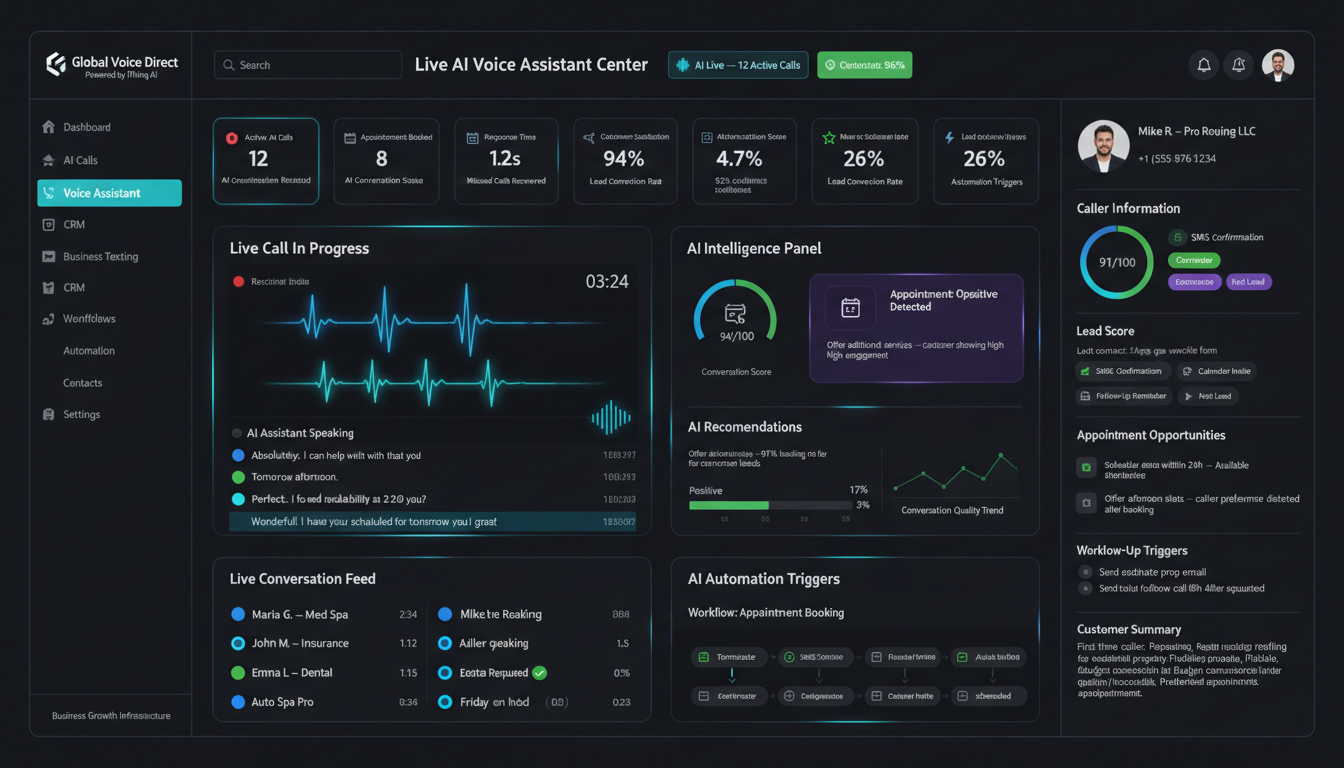
Communication is where most small businesses lose customers — not because of bad products, but because of missed calls, slow responses, and inconsistent follow-up.
Communication AI solves this at the infrastructure level. Instead of hiring more staff to cover phones, an AI phone assistant handles inbound calls, collects information, routes inquiries, and follows up — automatically.
This category includes:
- AI phone assistants — handle inbound and outbound calls without human involvement
- Conversational AI — understand natural language and respond like a trained team member
- AI communication systems — route calls, send SMS, and escalate to humans when needed
Global Voice Direct is an example of a platform built specifically around AI-enhanced communication infrastructure — connecting phone systems, AI voice, and business credibility tools into a single framework for small business owners. The platform is powered by IThinq AI, which handles the AI communication layer.
Customer Service AI
Customer expectations have changed. People expect answers immediately — not in 24 hours, not at business hours, immediately.
Customer service AI bridges the gap between what customers expect and what a small team can realistically deliver. It handles common questions automatically, escalates complex issues to humans, and keeps service consistent at every touchpoint.
This category includes:
- Support automation — handles FAQs, order status, and basic troubleshooting without a human agent
- AI chat systems — engage customers across web, SMS, and social channels simultaneously
- Customer engagement AI — proactively reaches customers with updates, reminders, and follow-ups
IThinq AI is an example of a platform that powers AI-driven communication workflows — enabling businesses to build customer service systems that operate continuously without a dedicated support team on standby around the clock.
Content & Marketing AI
Content creation used to require a team. Writing, research, editing, ideation — each piece took hours. AI has compressed that timeline dramatically.
Content AI does not replace your voice or your strategy. It accelerates your ability to express it. The entrepreneur who used to publish one article per week can now publish four — with the same quality, the same voice, and far less time per piece.
What this category handles:
- Writing assistance — drafts, edits, rewrites, and adapts content for different audiences and formats
- Research acceleration — summarizes information, identifies patterns, and surfaces relevant sources quickly
- Ideation support — generates topic ideas, outlines, angles, and frameworks when you are stuck
- Content planning — organizes publishing calendars, maps content clusters, and identifies gaps
Well-known tools in this space include ChatGPT, Claude, and Gemini — each with different strengths for different types of content work. The right choice depends on the specific task, not brand loyalty.
Operations & Automation AI
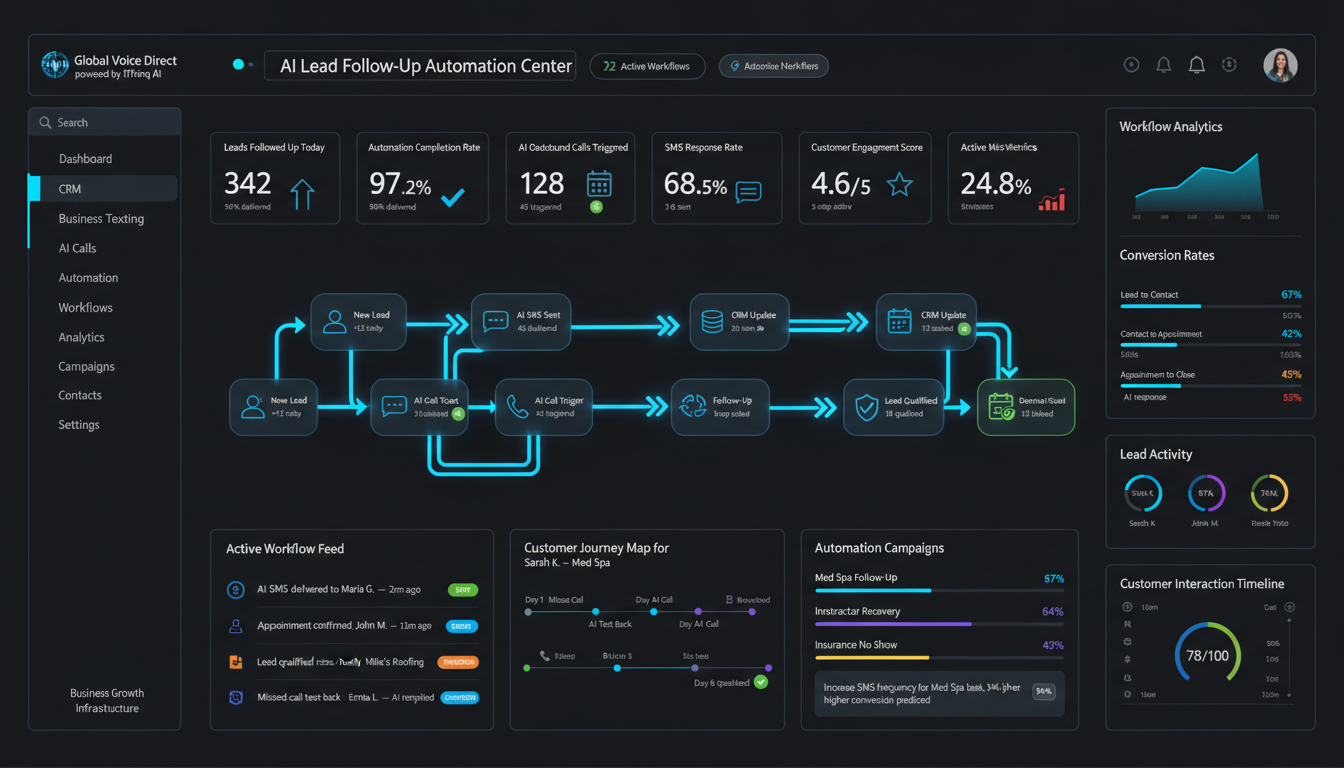
Every business has processes that repeat. Scheduling, reminders, follow-ups, onboarding steps, status updates. These processes do not require human creativity — they require consistent execution.
Operations and automation AI handles the execution layer so your team never has to manually trigger a repeatable task again.
What this covers:
- Workflow automation — connects your tools and triggers multi-step actions based on events
- Scheduling AI — books appointments, manages calendars, and sends confirmations without back-and-forth
- Automated follow-up — reaches out to leads and customers at the right time with the right message
- Reporting automation — generates performance summaries and operational reports on schedule
The goal of automation is not to eliminate people. It is to ensure that people are only doing work that genuinely requires them. When every manual step has been removed from a process, the humans in your business become significantly more valuable — because their time is spent on judgment, not logistics.
This is a core pillar of what I call the Startup Technology Stack Framework™ — the idea that technology should be layered purposefully under your operations, not bolted on randomly.
Analytics AI
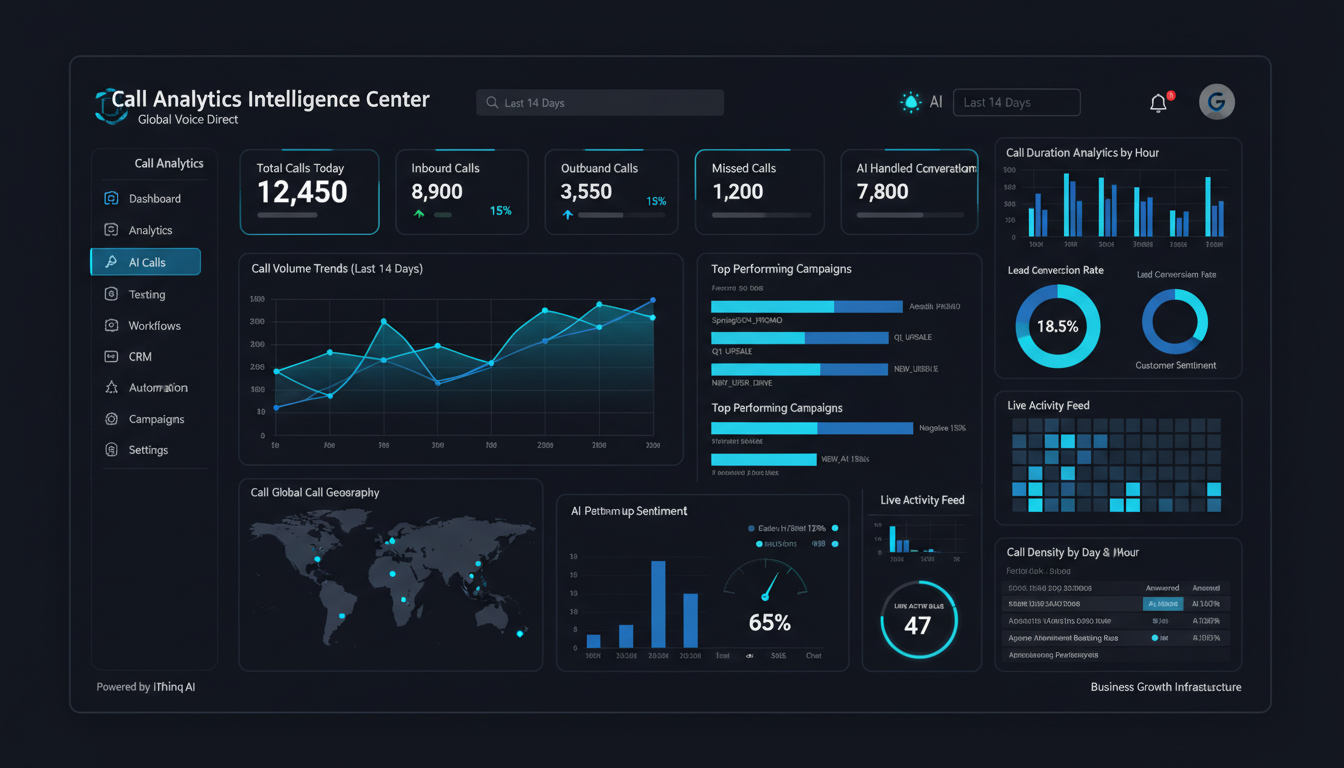
Most small businesses make decisions based on gut instinct — not because they do not value data, but because gathering and analyzing data traditionally required resources they did not have.
Analytics AI changes this. It processes large volumes of business data and surfaces the insights that matter — without requiring a data analyst on staff.
What analytics AI does:
- Forecasting — predicts revenue trends, demand patterns, and operational needs based on historical data
- Performance reporting — generates clear summaries of what is working and what is not across your business
- Decision support — presents data in a way that makes the next action obvious, not overwhelming
Common AI Mistakes Entrepreneurs Make
Most AI adoption fails — not because the tools are bad, but because of how entrepreneurs approach them.
-
Chasing every new tool New AI tools launch every week. Most entrepreneurs cycle through them without ever implementing one deeply enough to see results. Consistency with one tool beats curiosity about many.
-
Replacing processes instead of supporting them AI works best when it enhances an existing system. Deploying AI before your process is defined creates faster chaos, not better results.
-
Ignoring the customer experience Automation that makes things faster for the business but worse for the customer is not an upgrade. Every AI implementation should improve — or at minimum not degrade — the customer’s experience.
-
No strategy behind the adoption Adopting AI without a clear problem statement is like buying equipment without a business plan. Know the specific outcome you are solving for before you buy or subscribe to anything.
-
Not measuring results If you cannot measure whether an AI tool is working, you cannot improve it. Set a baseline before you deploy, and track the specific metric the tool is supposed to move.
AI Tool Selection Checklist™
Run every AI tool through these seven questions before you commit time or money to it.
-
01
What specific problem does this solve? Name the exact bottleneck. If you cannot describe the problem in one sentence, you are not ready to deploy a solution.
-
02
Which category does it belong to? Map it to one of the six Entrepreneur AI Stack™ categories. If it does not fit, it may not be a business tool — it is a feature.
-
03
What does success look like in 30 days? Define a measurable outcome before you start. Time saved, leads captured, responses automated — pick one and track it.
-
04
Does an existing process support this tool? AI amplifies what is already there. If there is no process, build the process first. Then add the AI layer.
-
05
How does this affect the customer experience? Every tool that touches a customer-facing process should make that experience faster, clearer, or more consistent — not less personal.
-
06
What does it integrate with? A tool that does not connect to your existing stack creates islands of information. Check integrations before committing.
-
07
Who owns it inside your business? Every AI tool needs a human accountable for how it performs. Ownerless tools become shelfware within 90 days.
The Best AI Tool Is The One That Solves A Real Problem
When I started building businesses, the advice was always about tools. Get this software. Sign up for this platform. Use this app. The list never stopped growing — and neither did the subscriptions.
What I learned — through building Global Voice Direct, through developing the Business Infrastructure Framework™, through working with real business owners — is that tools are not the answer. Systems are the answer. Tools are what you put inside a system once it is ready.
The entrepreneurs I have seen struggle the most with AI are the ones who adopted it before they had a clear operation. They layered technology on top of chaos and got faster chaos. The ones who win are the ones who built the system first — then asked which AI tool could make that system run better.
That is the shift. AI is not a business strategy. It is a capability you deploy in service of a business strategy. When you think about it that way, the question of “what tools should I use?” becomes much simpler to answer.
Start with your biggest bottleneck. Find the AI category that addresses it. Deploy one tool. Measure it. Then move to the next.
Entrepreneur AI Readiness Score™
Rate your business in each of the five categories. This tells you where to start — not where to aspire.
📞 Communication
- Not Ready: Calls go to voicemail
- Building: Some coverage in place
- Ready: AI handles inbound 24/7
⚙️ Automation
- Not Ready: Everything is manual
- Building: Some tasks automated
- Ready: Key workflows run automatically
💬 Customer Service
- Not Ready: Reactive only
- Building: FAQs documented
- Ready: AI handles common inquiries
✍️ Productivity
- Not Ready: No AI tools in use
- Building: Experimenting with tools
- Ready: AI integrated into daily work
📊 Analytics
- Not Ready: Decisions by gut
- Building: Tracking basic metrics
- Ready: Data informs every decision
AI Tools for Entrepreneurs — FAQ
What AI tools should entrepreneurs use?
Entrepreneurs should use AI tools that solve a specific business problem in one of six categories: communication, content, customer service, automation, analytics, and operations. The Entrepreneur AI Stack™ is a framework for making this decision without chasing every new product that launches.
How do businesses use AI?
Businesses use AI to automate repetitive tasks, respond to customers faster, generate content, analyze data, and streamline operations. The most effective use cases are in communication and customer service — where AI handles volume so humans can focus on judgment.
What is the best AI tool for small businesses?
There is no single best AI tool. The best tool depends on your biggest bottleneck. If you are missing customer calls, start with communication AI. If you are drowning in content work, start with content AI. Identify the problem first, then find the tool.
Can AI help with customer service?
Yes. AI can handle common customer questions, send automated follow-ups, and route complex issues to the right team member — all without requiring a human agent for every interaction. This allows small teams to deliver enterprise-level responsiveness.
Can AI improve productivity for entrepreneurs?
Significantly. Content AI compresses writing time. Automation AI eliminates manual steps. Communication AI ensures no inquiry falls through the cracks. Together, these tools give entrepreneurs more time for the decisions only they can make.
How should startups adopt AI?
Startups should adopt AI one category at a time, starting with their highest-friction business function. Build the process first, then add AI to support it. Measure the result before moving to the next category. Sequence matters more than speed.
What is the Entrepreneur AI Stack™?
The Entrepreneur AI Stack™ is a framework by Jonas Janvier that organizes all business AI tools into six functional categories: Communication, Content, Customer Service, Automation, Analytics, and Operations. It replaces the random software list with a strategic adoption structure.
What is AI automation for business?
AI automation uses artificial intelligence to execute repeatable business tasks without manual effort — including follow-up emails, appointment reminders, lead routing, and report generation. It removes the human from the middle of every predictable process.
What is communication AI?
Communication AI refers to artificial intelligence tools that handle phone calls, messaging, and customer intake automatically. AI phone assistants and conversational AI platforms fall into this category. They ensure businesses are always reachable without requiring staff to be available around the clock.
Is AI replacing entrepreneurs and small business staff?
No. AI is replacing specific tasks — not people. The entrepreneurs using AI most effectively are deploying it to eliminate repetitive, predictable work so their teams can focus on relationship-building, creative problem-solving, and growth.
What is the AI Tool Selection Checklist™?
The AI Tool Selection Checklist™ is a seven-question framework developed by Jonas Janvier to help entrepreneurs evaluate any AI tool before adopting it. It covers problem clarity, category fit, success metrics, process readiness, customer experience impact, integrations, and internal ownership.
How do I know if my business is ready for AI?
Use the Entrepreneur AI Readiness Score™ to assess your business across five categories. If most of your categories are “Not Ready,” prioritize building a process before deploying technology. AI amplifies what is already working — it does not create structure where there is none.
What is the difference between AI tools and AI automation?
AI tools are software applications that use artificial intelligence to perform tasks. AI automation is specifically about removing manual steps from a repeatable process using those tools. All AI automation uses AI tools, but not all AI tools create automation — some simply assist with individual tasks like writing or research.
What is content AI and how do entrepreneurs use it?
Content AI helps entrepreneurs write faster, research more efficiently, and produce more marketing and educational material in less time. Tools like ChatGPT, Claude, and Gemini are examples of content AI platforms. Entrepreneurs use them for blog writing, email drafting, social media content, and business documentation.
Can AI help with business analytics?
Yes. Analytics AI processes business data and surfaces insights that would take a human analyst hours to compile. It helps entrepreneurs forecast revenue, identify trends, and make faster decisions based on actual performance data rather than gut instinct.
What are the most common AI mistakes entrepreneurs make?
The most common mistakes are: chasing every new tool instead of mastering one, deploying AI before processes are defined, ignoring the customer experience impact, adopting AI without a clear strategy, and not measuring results. Most AI failures are strategy failures, not technology failures.
What is operations AI for small businesses?
Operations AI handles the administrative and logistical tasks that keep a business running — scheduling, reminders, task management, and internal reporting. It ensures that the business operates consistently without requiring a manager to manually oversee every step of every process.
How does AI support business growth?
AI supports growth by freeing up the resources that growth requires: time, attention, and capital. When routine tasks are automated, founders spend more time on strategy. When customer service scales without adding staff, margins improve. When communication is always-on, fewer leads are lost. Each of these directly enables growth.
What is startup technology stack for AI?
A startup technology stack refers to the set of digital tools a business uses to operate. The AI layer of that stack includes the specific AI tools chosen for each business function. The Startup Technology Stack Framework™ by Jonas Janvier provides a structured approach to building this stack without over-investing in unnecessary tools early.
How is AI changing entrepreneurship?
AI is lowering the cost of operating a business at scale. Tasks that used to require a team — customer service, content production, data analysis, scheduling — can now be handled with a combination of one person and the right AI tools. This is compressing the time between starting a business and operating like an established one.
Technology Is Most Powerful When It Supports A System
The entrepreneurs who benefit most from AI are the ones who combine technology, systems, and execution. Learn how the Business Infrastructure Framework™ connects all six layers of a growth-ready business.