

Business Verification Checklist For Startups: 12 Steps To Build Trust, Credibility, And Growth
Forming an LLC makes you legal. It does not make you verified. This is the checklist I use to help new businesses look prepared, earn trust faster, and unlock the opportunities that only reach companies that look real.

Quick Answer
A business verification checklist for startups is the set of trust signals that prove your company is real and ready to do business: legal registration, an EIN, a professional website and email, a dedicated business phone number, consistent listings, a claimed Google Business Profile, and reliable communication systems. Complete all 12 steps below and you move from “just an LLC” to a business that customers, vendors, and lenders take seriously.
Most founders think the hard part is forming the company. They file the LLC, get the certificate, and assume the world will treat them like a real business.
Then reality hits. A vendor asks for verification and goes quiet. A customer can’t find a phone number and moves on. A lender pulls up the business and finds almost nothing.
Here’s the truth I’ve learned building and supporting businesses: everyone verifies you before they trust you. Customers verify. Partners verify. Vendors verify. Lenders verify. The stronger your verification signals, the easier every one of those relationships becomes.
That’s why I built the Business Verification Framework™ — a simple, repeatable way to make a brand-new company look established, prepared, and worth doing business with. This article walks you through all of it.
What Is Business Verification?
Business verification is the process of proving — through visible, consistent signals — that your company is real, reachable, and operating professionally. It’s the difference between a name on a form and a business people feel safe transacting with.
Business Verification
The collection of signals that prove a company legally exists and operates professionally — registration, EIN, website, phone, email, and listings that all agree with each other.
Trust Signals
Small, visible proofs that a business is legitimate: a real domain email, a dedicated business line, matching addresses across the web, and a claimed Google profile.
Credibility
The reputation you build once you’re verified — reviews, responsiveness, consistency, and follow-through that make people choose you over an unknown competitor.
Professional Presence
How prepared your business looks across every touchpoint a stranger checks before deciding to trust you — your site, your inbox, your phone, your listings.
Why Verification Matters
Verification isn’t paperwork for its own sake. It’s the quiet gatekeeper standing in front of every opportunity your business wants.
Customer confidence. Imagine two plumbers. One answers from a personal Gmail and a cell phone. The other has a branded email, a business line that always picks up, and dozens of reviews. Same skills — but you call the second one.
Partner confidence. A potential partner Googles you before the first meeting. If they find a clean, consistent presence, the conversation starts from trust instead of doubt.
Vendor confidence. Vendors who extend accounts or net terms verify that you’re a stable, reachable business first. Missing signals can mean a flat “no.”
Growth opportunities. Loans, partnerships, larger clients, and vendor credit all flow more easily to businesses that look prepared. Verification is the on-ramp.
The Business Verification Checklist™
Twelve steps. Work through them in order. Each one adds a signal that makes the next opportunity easier to win.
Register Your Business
File your LLC or corporation with your state. This is the legal foundation everything else verifies against.
Obtain An EIN
Get your free Employer Identification Number from the IRS. It separates your business identity from your personal one and is required for banking and credit.
Create A Professional Website
Even a simple one-page site with your name, services, and contact info signals that you’re real. No site is a red flag.
Use A Professional Email Address
you@yourbusiness.com beats yourbusiness@gmail.com every time. A domain email is one of the cheapest, fastest credibility upgrades available.
Establish A Business Phone Number
A dedicated business line — separate from your personal cell — tells everyone you’re a real operation that can be reached during business hours.
Create Consistent Business Listings
Your name, address, and phone (NAP) should match exactly everywhere online. Inconsistency is the #1 silent credibility killer.
Claim Your Google Business Profile
This is often the first thing a customer sees. Claim it, fill it out completely, and keep it current.
Build A Professional Brand Presence
A clean logo, consistent colors, and a clear message across your site and profiles make a small business look established.
Develop Communication Systems
Decide how calls, texts, and messages get answered — and make sure nothing falls through the cracks. This is where trust is won or lost.
Document Core Business Processes
Write down how you handle orders, inquiries, and follow-ups. Documented processes make you look — and run — like a bigger company.
Build Vendor Relationships
Establish accounts with suppliers and service providers. These relationships verify your activity and can support business credit over time, where available.
Create A Technology Stack
A simple set of tools — CRM, communication platform, and automation — ties everything together and lets a small team operate like a large one.
Why Communication Matters
Most businesses don’t lose trust because of bad products. They lose it because communication breaks down.
A missed call is a missed customer. A slow reply makes you look smaller than you are. An inconsistent experience — answered one day, ignored the next — quietly tells people you’re not reliable.
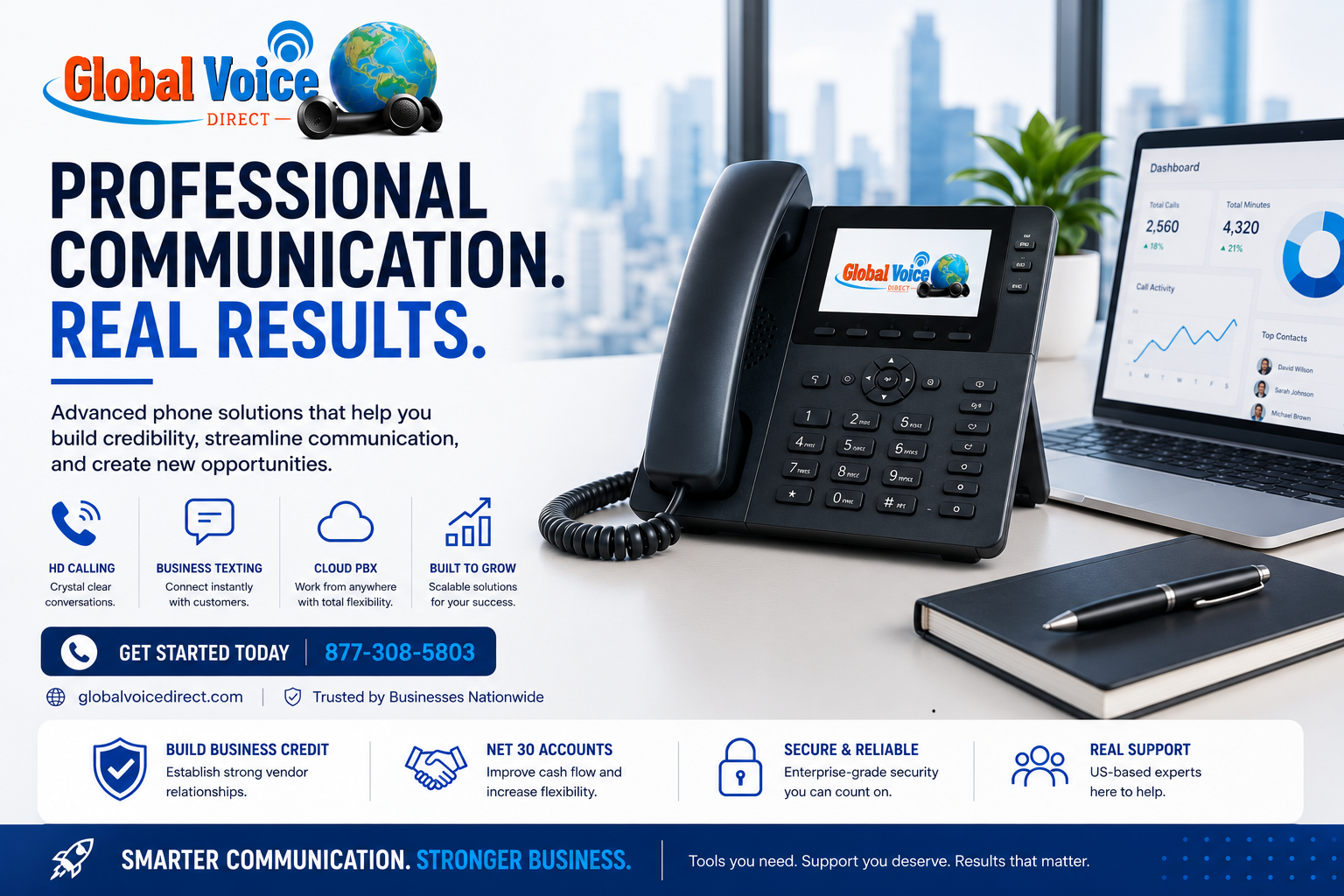
When I look at why new businesses stall, communication gaps show up again and again. Platforms like Global Voice Direct exist precisely because businesses need a dependable way to answer calls, respond to texts, and keep every customer interaction consistent — so a one-person operation never sounds like one.
Technology Supports Verification
You don’t need an enterprise budget to look enterprise-level. You need the right few tools working together.
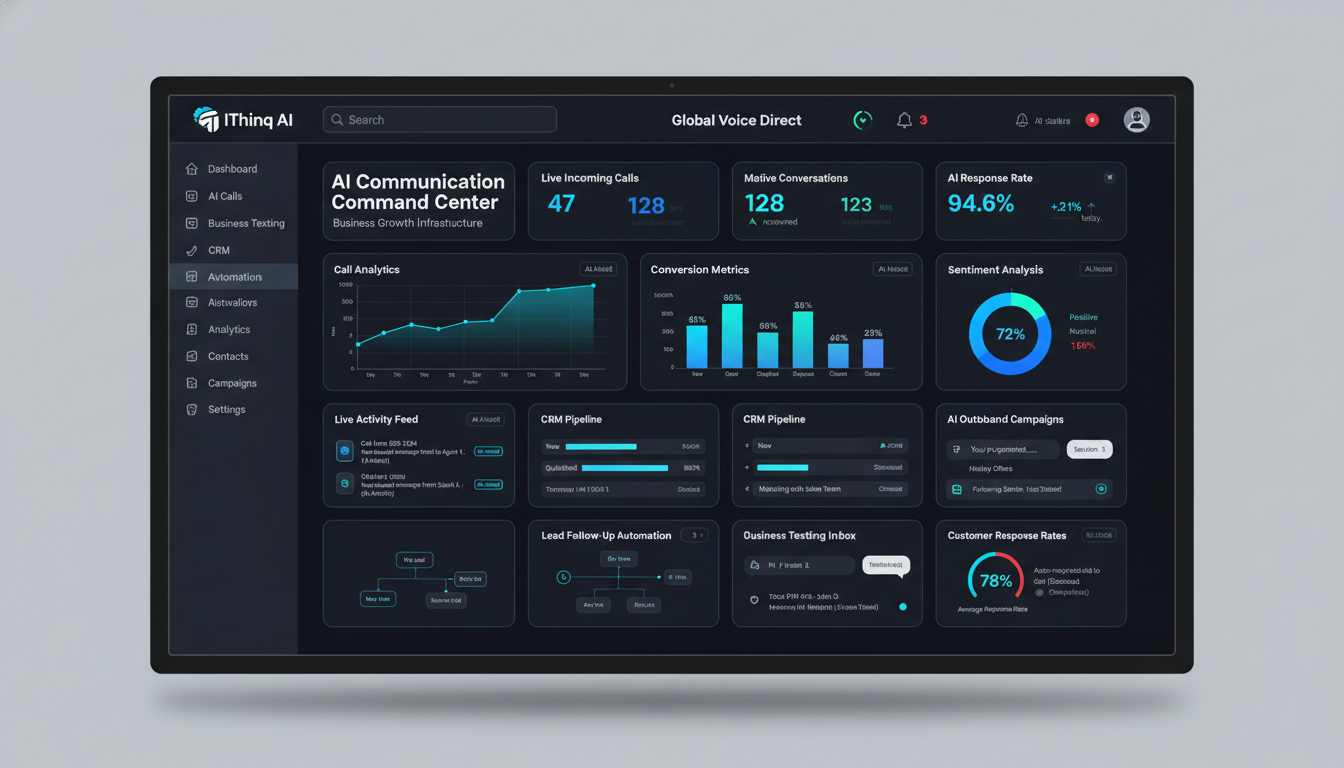
Modern businesses lean on CRM systems to track every contact, automation to make sure nothing is forgotten, and AI tools to respond faster than a small team could on its own.
For example, IThinq AI — the AI technology powering communication infrastructure behind platforms like Global Voice Direct — shows how artificial intelligence helps businesses stay responsive around the clock, so a customer reaching out at 9 p.m. still gets a fast, professional reply. That responsiveness is itself a verification signal: it proves there’s a real, capable operation behind the name.
The Startup Verification Score™
Use this model to grade where your business stands today. Score each category out of the points shown, then add them up for your total out of 100.
| Category | What It Measures | Points |
|---|---|---|
| Foundation | Legal registration and EIN — proof you officially exist. | 20 |
| Credibility | Professional website, domain email, and consistent brand presence. | 20 |
| Communication | Dedicated business phone, reliable response systems, no missed contacts. | 25 |
| Technology | CRM, automation, and AI tools working together. | 15 |
| Visibility | Claimed Google profile and consistent listings across the web. | 20 |
Just An LLC
You exist on paper but signal almost nothing. Most opportunities will pass you by until you build trust signals.
Getting Real
You’re verifiable and reachable. Tighten consistency and communication to compete with established players.
Trusted Operation
You look prepared. Customers, vendors, and partners engage with confidence. Now optimize for growth.
Looks Bigger Than You Are
Every signal aligns. You present like an established company from day one and unlock the opportunities to match.
Common Verification Mistakes
These are the slip-ups I see most often — and every one of them is fixable today.
- Using a personal email address instead of a domain email.
- Inconsistent business information across listings and profiles.
- Poor communication — missed calls and slow or no responses.
- A weak or missing online presence that strangers can’t verify.
- No systems, so things fall through the cracks as you grow.
Verification vs Credibility
People mix these up, but they do two different jobs.
Verification
Proves you exist. It’s the factual layer — registration, EIN, phone, email, listings. It answers the question: “Is this a real business I can reach?”
Credibility
Makes people trust you. It’s the reputation layer — reviews, responsiveness, consistency, follow-through. It answers: “Should I choose this business?”
Verification gets you in the door. Credibility gets you the deal. You need both — and verification always comes first.
The Small Details That Make Businesses Look Bigger
The Verification Readiness Audit™
Check each box you can honestly say is done. The more you check, the more verified you are.
- My business is legally registered with my state.
- I have an EIN from the IRS.
- I have a live, professional website.
- I use an email address on my own domain.
- I have a dedicated business phone number.
- My name, address, and phone match across every listing.
- My Google Business Profile is claimed and complete.
- I have a clear, consistent brand presence.
- I have a system so no call or message goes unanswered.
- I have core tools (CRM, communication, automation) in place.
8–10 checked: you look verified and ready. 4–7: you’re building — close the gaps. 0–3: start at Step 1 and work the checklist.
Frequently Asked Questions
Business verification is the process of proving your company is real, reachable, and operating professionally through visible signals like legal registration, an EIN, a website, a business phone, and consistent listings.
Because customers, partners, vendors, and lenders all verify you before they trust you. Strong verification signals make every relationship and opportunity easier to win.
Trust signals are small, visible proofs of legitimacy — a domain email, a dedicated business line, matching information across listings, a claimed Google profile, and a professional website.
Consistency and reachability. A real website, a business phone that answers, a professional email, and identical contact details everywhere make a business look established.
Startups build credibility by first getting verified, then delivering consistent, responsive service that earns reviews and repeat business over time.
Communication is where trust is won or lost. Missed calls and slow replies make a business look unreliable, while fast, consistent responses signal a real, capable operation.
No. An LLC makes you legal, but it doesn’t make you verified. You still need the trust signals — website, email, phone, listings, and systems — that prove you’re operating.
Yes. An EIN is free from the IRS, separates your business identity from your personal one, and is required for business banking and credit.
A domain email like you@yourbusiness.com signals legitimacy instantly, while a free email address quietly tells people you may not be an established business.
A business line separates work from personal life, can be answered reliably during business hours, and is one of the strongest verification signals a startup can add.
NAP stands for Name, Address, and Phone. Keeping them identical across every listing and profile is critical — inconsistency is one of the biggest silent credibility killers.
It’s often the first thing a customer sees when they search for you. A claimed, complete profile builds immediate trust and improves local visibility.
Verification proves you exist; credibility makes people trust you. Verification gets you in the door, and credibility earns the deal.
The core steps can be completed in days, not months. Registration and an EIN are fast, and a basic website, email, and phone can be set up quickly.
Yes. CRM systems, automation, and AI tools help a small business stay responsive and consistent, which is itself a powerful trust signal.
It’s a 100-point model that grades a business across five categories — Foundation, Credibility, Communication, Technology, and Visibility — to show how verified and ready it is.
It can. Vendors and lenders verify that a business is real and reachable before extending accounts, and some activity may be reported to build business credit over time, where available and subject to eligibility.
Using a personal email, inconsistent listings, poor communication, a weak online presence, and having no systems to keep things from falling through the cracks.
Absolutely. With the right tools and consistent trust signals, a solo operation can present and respond like a much larger, established company.
Start at Step 1: register your business and get your EIN. Then work through the checklist in order, adding one trust signal at a time.
Related Infrastructure Guides
Coming soon in this series: Business Trust Signals, How To Look Enterprise-Level From Day One, The Professional Business Communication Guide, and The Startup Technology Stack.
Trust Starts With Verification
The businesses that look prepared often create more opportunities for growth. Build the communication infrastructure that makes your startup look — and run — like an established company.
Global Voice Direct is a communication infrastructure platform. It is not a lender, bank, credit bureau, or credit repair company. References to business credit reflect that activity may be reported where available and are subject to eligibility; results are not guaranteed.