

Business Growth · Startup Infrastructure
The Business Credibility Framework™
Most founders chase attention. The ones who win quietly build trust first. Here is the framework I use to make a new business look — and operate — like one people already trust.
Quick Answer
Business credibility is the trust a company earns before anyone buys, partners, or refers. The Business Credibility Framework™ builds that trust across six areas: professional identity, communication, consistency, visibility, trust signals, and operational reliability. Get these right and growth gets easier — because people, vendors, and partners say yes faster to a business that looks and behaves like it can be relied on.
I have watched two businesses sell the exact same thing, at the exact same price, in the exact same town — and one grows while the other struggles. The difference is rarely the product. It is almost always credibility.
People buy from businesses they trust. Vendors extend terms to businesses they trust. Partners say yes to businesses that look like they have their act together. None of that is about being the loudest. It is about being believable.
The problem is that credibility feels invisible, so most founders skip it and pour everything into attention instead. Then they wonder why the leads do not convert, why suppliers want money upfront, and why referrals never come. This article fixes that. It gives you a clear, repeatable system for building trust on purpose.
What Is Business Credibility?
Business credibility is the degree to which other people believe your business is real, professional, and dependable — before they have any direct experience with it. It is the gut-level answer to a silent question every customer asks: can I trust these people?
Business Credibility
The earned belief that a business is legitimate, competent, and reliable enough to do business with.
Trust Signals
Small, visible proofs — a real phone number, reviews, consistent branding — that tell people a business is established and safe.
Business Reputation
The accumulated public impression of a business, shaped by reviews, word of mouth, and how it shows up online.
Professional Presence
The combined look, sound, and behavior of a business across every place a customer encounters it.
Think of credibility as the foundation under a house. Nobody compliments the foundation. But every floor above it depends on it being solid.
Why Credibility Matters More Than Most Entrepreneurs Think
Here is what credibility quietly controls in your business:
Customer trust
A customer landing on your website decides in seconds whether you are real. A generic Gmail address, a missed call, or a dead-looking site plants doubt. Doubt kills sales before a conversation even starts.
Vendor trust
Suppliers and vendors check whether you look established before they extend terms or open an account. A business that looks fly-by-night gets cash-up-front treatment. A credible one gets the benefit of the doubt.
Referral opportunities
People only refer businesses that make them look good. If your presence is sloppy, even happy customers hesitate to put their own name behind you.
Business growth
Every yes in business — a sale, a partnership, a line of credit, a referral — is easier when trust already exists. Credibility is the multiplier that makes all your other efforts work harder.
The Business Credibility Framework™
Credibility is not one thing you fix once. It is six areas working together. When one is weak, the whole structure wobbles — and people feel it even if they cannot name it.
Professional Identity
A real business name, logo, domain, email, and address that all match and signal “this is a legitimate company.”
Communication
How you answer, respond, and follow up. Fast, professional communication is one of the strongest trust signals there is.
Consistency
The same name, branding, phone number, and tone everywhere a customer finds you. Mismatches create doubt.
Visibility
Showing up where people look — search, maps, directories — so the business appears real, findable, and established.
Trust Signals
Reviews, testimonials, verifications, and proof that other people have already trusted you and were glad they did.
Operational Reliability
Actually doing what you say — answering calls, keeping promises, delivering on time. Credibility you can’t back up collapses fast.
The first three pillars build how you look. The last three prove you can be relied on. You need both. Looking credible without being reliable is a fast track to bad reviews.
The First Impression Test
Run your own business through what a stranger experiences in the first two minutes. Be honest.
When they visit your website
Does it load fast, look current, and clearly say what you do and how to reach you? Or does it feel half-finished and unsure of itself?
When they call your business
Does someone — or something professional — answer? Or does it ring out, hit a personal voicemail, or send them to a number that feels personal rather than professional?
When they search your company
Do they find a consistent business with a presence on search and maps? Or nothing, or worse, conflicting information?
When they read your reviews
Is there social proof that real people have trusted you? Or silence, which the brain reads as risk?
Most businesses lose the deal somewhere in this two-minute window — and they never even know it happened. The customer just quietly moves on to a competitor who felt safer.
Why Communication Impacts Credibility
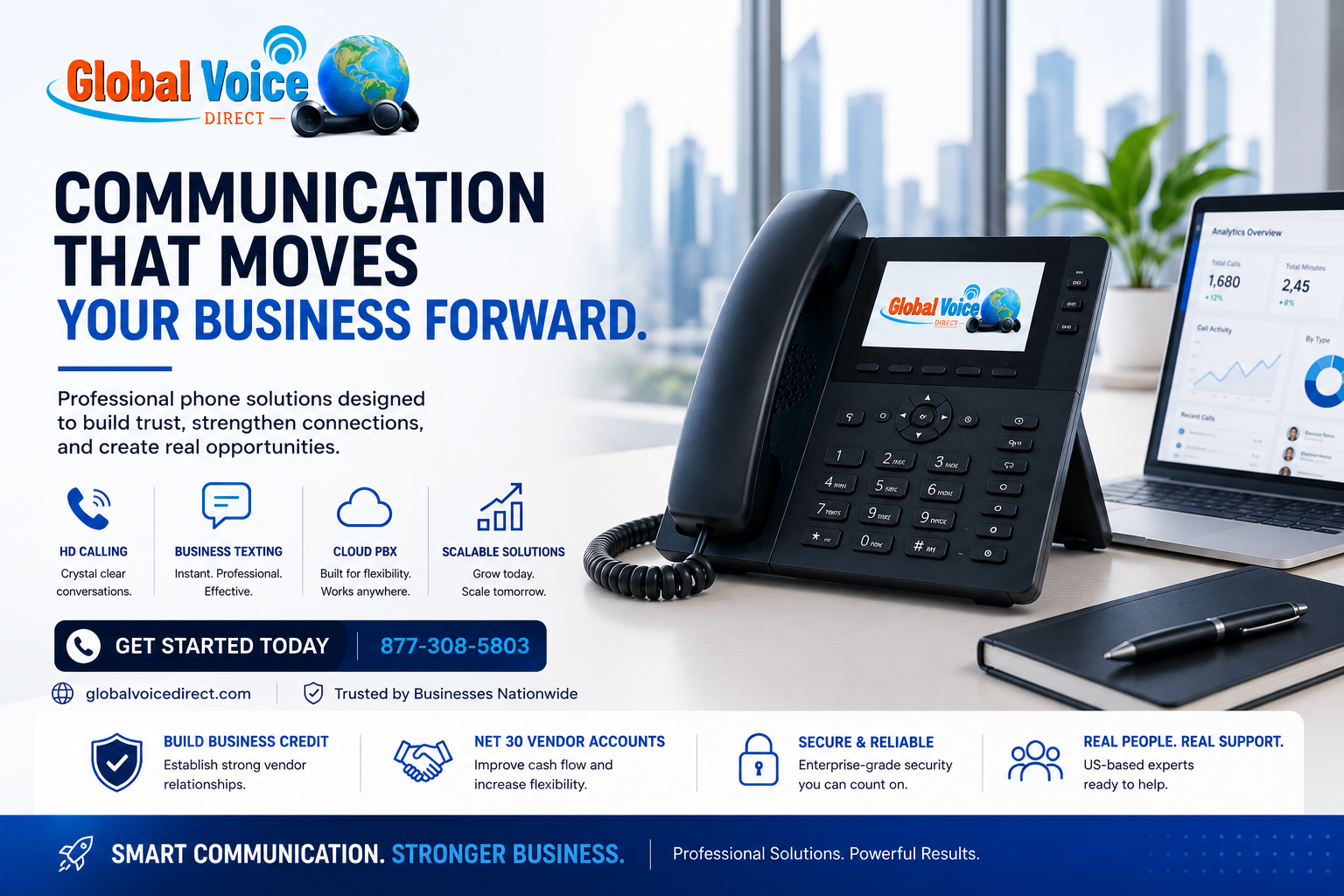
Many businesses lose trust before they ever lose a sale. A missed call, a slow reply, or a voicemail that sounds personal instead of professional all whisper the same thing to a customer: this business may not be reliable.
Communication is where credibility is won or lost in real time. The business that answers, responds quickly, and sounds put-together feels safer to buy from — even if the competitor is cheaper.
This is one reason a professional communication setup matters more than founders expect. Platforms like Global Voice Direct exist to help small businesses sound established — a dedicated business phone number, professional answering, and consistent follow-up — so a new company communicates with the same polish customers expect from a much larger one. The point isn’t the tool itself; it’s that how you communicate is a trust signal, and it deserves the same intention as your logo or your website.
Technology And Credibility
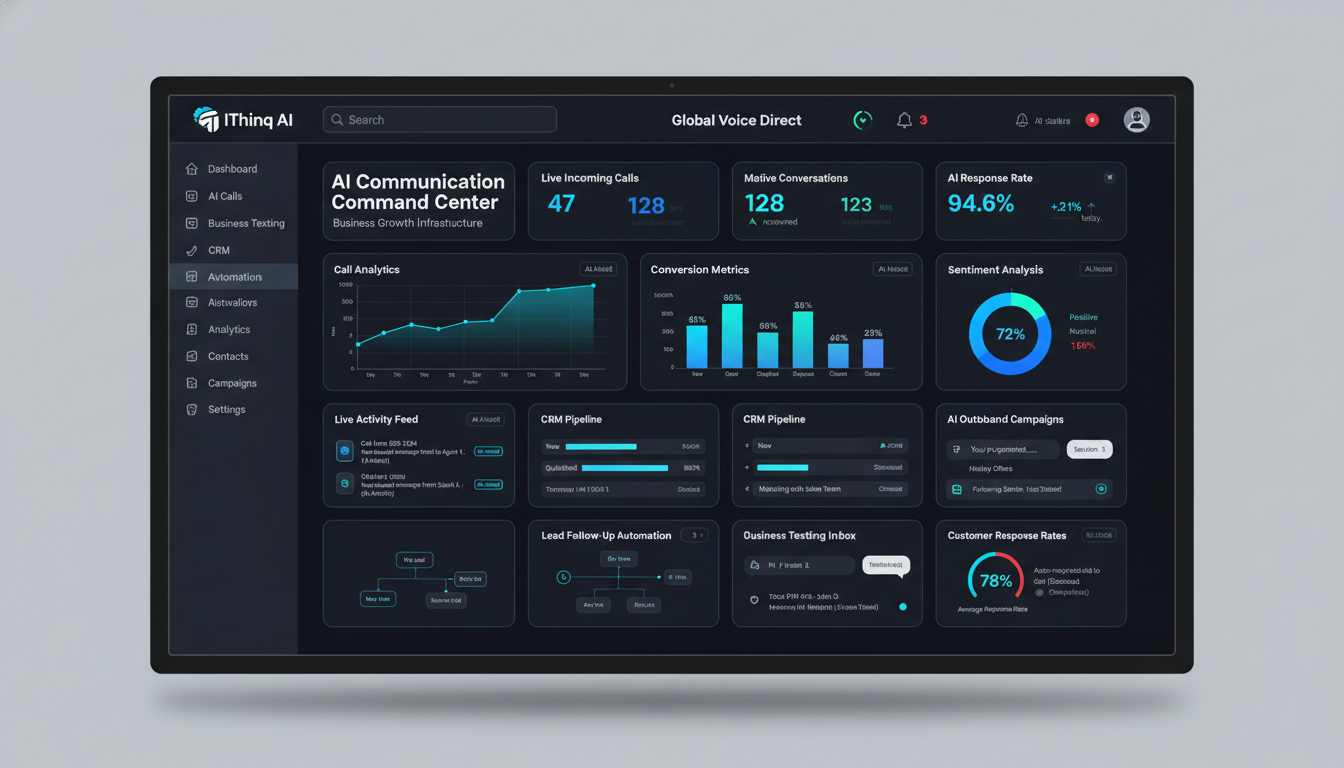
Modern customers expect speed. They expect a reply, an answer, a confirmation — quickly. Technology is how small businesses meet that expectation without hiring a full team.
Three tools do most of the heavy lifting: a CRM to remember every customer and never let a lead slip, automation to handle follow-ups and reminders consistently, and AI tools to respond instantly even when you are busy or asleep.
AI in particular has changed what a small business can credibly promise. Technology such as IThinq AI helps businesses respond faster and stay available, so customers get the quick, professional experience they associate with established companies. When a one-person business answers as reliably as a big one, the credibility gap quietly disappears.
The Business Credibility Checklist™
If you want a fast credibility audit, this is it. Each item is a trust signal. The more you can check, the more believable your business becomes.
- Professional website that loads fast and clearly explains what you do
- Business email on your own domain — not a personal Gmail or Yahoo
- Dedicated business phone number, answered professionally
- Visible reviews and testimonials from real customers
- Reliable communication systems for calls, texts, and follow-up
- Consistent branding across web, social, and directories
- Professional messaging in every email, voicemail, and reply
Common Credibility Mistakes
These are the quiet credibility killers I see most often. Each one is small. Together they tell a customer to be careful.
- Personal email addresses — using a free personal inbox makes a business look temporary and unofficial.
- Inconsistent branding — a different name, logo, or number in different places signals disorganization.
- Missed calls — every unanswered call is a customer concluding you may not be reliable.
- Slow follow-up — a reply that comes hours or days late loses the trust a fast one would have built.
- Weak online presence — if you can’t be found or verified, the brain treats unknown as unsafe.
Why Credibility Often Matters More Than Marketing
Early on, I believed the business with the best marketing won. I was wrong. I have seen beautifully marketed businesses lose to plainer competitors over and over — because the plainer ones felt more trustworthy when it counted.
Marketing gets someone to the door. Credibility decides whether they walk in. You can spend a fortune driving traffic, but if your business answers like an amateur and looks unsure of itself, that traffic just leaves more convinced you are not the safe choice.
The lesson I keep relearning: build the foundation first. Make the business believable — professional identity, real communication, visible proof — and your marketing suddenly works two or three times harder, because you are no longer fighting doubt at every step. Credibility is the cheapest growth lever most founders never pull.
The Business Credibility Score™
Use this 100-point framework to rate your own business. Score each category honestly, then add them up. The result tells you exactly where your trust is leaking.
85–100 — Enterprise-Level Credibility. You look and operate like an established company.
60–84 — Solid but Leaking. Trustworthy overall, with clear gaps costing you yeses.
Below 60 — Credibility Risk. Customers, vendors, and partners are hesitating before they ever talk to you.
Go Deeper
Coming soon: the Business Verification Checklist, a deeper guide to Business Trust Signals, How To Look Enterprise-Level From Day One, and the Professional Business Communication Guide.
Frequently Asked Questions
What is business credibility?
Business credibility is how real, professional, and dependable your business appears to others before they have direct experience with it. It is the trust people feel toward your business at first contact.
Why is business credibility important?
Because every sale, partnership, and referral is easier when trust already exists. Credibility makes customers buy, vendors extend terms, and partners say yes faster.
How do businesses build trust?
By building credibility across six areas: professional identity, communication, consistency, visibility, trust signals, and operational reliability.
What are trust signals?
Trust signals are small visible proofs — a real business phone number, reviews, consistent branding, a professional website — that tell people a business is established and safe.
Why does communication matter for credibility?
Because most businesses lose trust before they lose a sale. Missed calls and slow replies make a business feel unreliable, while fast, professional communication builds confidence instantly.
How do businesses look more professional?
Use a domain-based business email, a dedicated business phone number, consistent branding everywhere, visible reviews, and reliable, prompt communication.
What is the Business Credibility Framework™?
It is a six-pillar system for building business trust on purpose: professional identity, communication, consistency, visibility, trust signals, and operational reliability.
Is credibility more important than marketing?
Marketing brings people to the door, but credibility decides whether they walk in. Without trust, marketing spend is wasted fighting doubt at every step.
Does a business phone number affect credibility?
Yes. A dedicated, professionally answered business number signals legitimacy, while a missed call or personal voicemail signals risk.
What is the Business Credibility Score™?
It is a 100-point self-assessment that rates a business across six credibility categories so founders can see exactly where their trust is leaking.
How can a new business look established?
By matching the trust signals of larger companies — a professional website, business email and phone, consistent branding, visible reviews, and reliable communication — from day one.
Why do vendors care about credibility?
Vendors check whether a business looks established before extending terms or opening accounts. A credible presence earns trust; a sloppy one earns cash-up-front treatment.
What hurts business credibility the most?
Personal email addresses, inconsistent branding, missed calls, slow follow-up, and a weak or unverifiable online presence.
How does technology improve credibility?
CRMs, automation, and AI tools help small businesses respond quickly and consistently, delivering the fast, professional experience customers expect from established companies.
How does AI help small businesses build trust?
AI helps businesses stay available and respond instantly, closing the gap between a small operation and a large one in the eyes of the customer.
Can credibility be built quickly?
The visible parts — identity, communication, consistency — can be built in days. Reputation and reviews build over time, but the foundation comes first.
What is professional business presence?
It is the combined look, sound, and behavior of a business across every place a customer encounters it — website, phone, search, and communication.
How do reviews affect credibility?
Reviews are social proof that other people trusted you and were satisfied. Their absence reads as risk, while their presence reduces hesitation.
What should a founder fix first?
Start with professional identity and communication — a real business email, a dedicated business number, and reliable follow-up — because they shape the first impression.
Is business credibility the same as business credit?
No. Credit is about financial history and lending. Credibility is the broader trust a business earns through how it looks, communicates, and operates.
Trust Is Built Before Growth Happens
The strongest businesses focus on credibility before they focus on scale. Start with the part most founders ignore — how your business looks, sounds, and responds.
Build a Credible Communication Setup Explore the Startup Credibility Framework™