

The Decision-Making Framework™: How Successful Entrepreneurs Make Better Business Decisions Faster

Every business is the result of decisions.
Some decisions create growth. Some decisions create problems. Most entrepreneurs do not fail because they are lazy. They fail because they repeatedly make poor decisions.
The good news: decision-making is a skill. Like any skill, it can be learned, practiced, and improved with the right framework.
This guide introduces The Decision-Making Framework™ — a six-step system that helps entrepreneurs think clearly, move faster, and choose better at every stage of business growth.
The Decision-Making Framework™ is a six-step process — Clarity, Information, Options, Risk Assessment, Execution, and Review — that helps entrepreneurs make faster, smarter business decisions by replacing gut-feel and guesswork with structured thinking and reliable systems.
📋 What You’ll Learn
- What Is Decision-Making In Business?
- The Decision-Making Framework™ (6 Steps)
- Why Entrepreneurs Make Bad Decisions
- Good Systems Improve Decisions
- Communication Improves Decision Quality
- Technology Supports Better Decisions
- The Decision Flywheel™
- Common Decision-Making Mistakes
- Decision Audit™ Checklist
- Founder Insight: Perfect Decisions Rarely Exist
- Decision Readiness Score™
- How To Make Better Decisions Faster
- Frequently Asked Questions
What Is Decision-Making In Business?
Decision-making is the process of choosing between options to move a business forward. Every action a business takes started as a decision someone made.
Decision-making in business is the structured process of identifying a problem or opportunity, gathering relevant information, evaluating available options, and selecting the best course of action to achieve a specific outcome.
Strategic thinking is the ability to see the big picture — to understand how today’s decisions will shape tomorrow’s results. It means thinking ahead, not just reacting to what is happening right now.
Business judgment is the combination of experience, information, and intuition that helps a leader choose wisely when the path forward is unclear. It improves with time — and with better systems.
Leadership decisions are high-impact choices that affect the direction, culture, team, or resources of a business. They carry more risk — and more reward — than day-to-day operational choices.
Great entrepreneurs do not make perfect decisions. They build systems that make better decisions consistently possible.
The Decision-Making Framework™
Six steps. Clean process. Better outcomes.
Clarity
Define the real decision. What exactly needs to be decided? Many entrepreneurs solve the wrong problem because they never took time to name the right one.
Information
Gather what you need to know. Not everything — just enough. Data, feedback, market signals, and past results all count.
Options
Identify at least three real choices. If you only see two, you are probably missing a better path. Constraints sharpen creativity.
Risk Assessment
Weigh the downside of each option. The best entrepreneurs are not fearless — they are clear about what failure looks like and how likely it is.
Execution
Make the decision and move. A good decision executed quickly beats a perfect decision made too late. Commit fully.
Review
Measure the result. Was the outcome what you expected? What did you learn? Every review sharpens the next decision.
| Step | Focus | Key Question | Output |
|---|---|---|---|
| 1 — Clarity | Define the decision | What exactly must we decide? | Clear problem statement |
| 2 — Information | Gather data | What do we know? What do we need? | Relevant facts and signals |
| 3 — Options | Generate paths | What are our real choices? | At least 3 viable options |
| 4 — Risk | Evaluate downside | What is the worst that could happen? | Risk-weighted comparison |
| 5 — Execution | Commit and act | Who does what by when? | Action plan with ownership |
| 6 — Review | Measure and learn | Did it work? What did we learn? | Feedback loop for next decision |
This framework works for small decisions and large ones. The more you use it, the faster it becomes.
This connects directly to the principles inside the Business Execution Framework™ — where strong decisions are the foundation of consistent action.
Why Entrepreneurs Make Bad Decisions
Most bad business decisions come from one of five sources.
| Root Cause | What It Looks Like | The Real Cost |
|---|---|---|
| Emotion | Hiring a friend who is not qualified | Team performance suffers |
| Lack of Information | Launching a product without market research | Wasted time and money |
| Urgency | Signing a contract without reading it | Long-term liability |
| Bias | Only listening to people who agree with you | Blind spots grow |
| Short-Term Thinking | Cutting quality to save cost today | Customer loss tomorrow |
None of these are signs of a bad entrepreneur. They are signs of a human being without a reliable process. That is exactly what the Decision-Making Framework™ solves.
Understanding how to evaluate opportunities correctly also reduces the emotional pull that drives reactive decisions.
Good Systems Improve Decisions
You cannot make great decisions with bad information. And you cannot get reliable information without systems that capture it.
The businesses that consistently make better decisions tend to have four things in place:
Decision-Supporting Systems
- Reporting: Regular financial, sales, and operational reports that tell you the truth about the business — not what you want to hear.
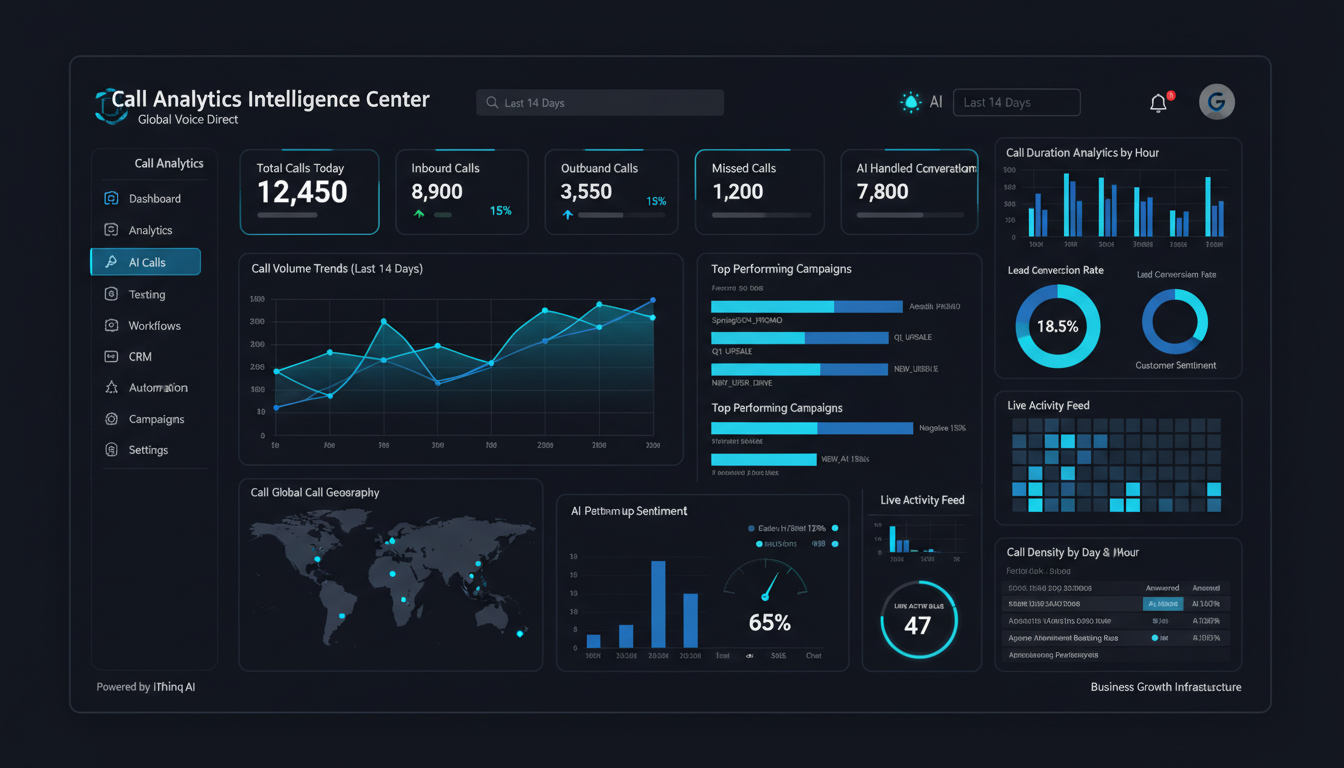
- Dashboards: Visual snapshots of key business metrics so that important signals are never buried in spreadsheets.
- Documented Processes: Written systems that create predictable outcomes — so you can see clearly when something is not working.
- Accountability Structures: Clear ownership of outcomes. When everyone is responsible, no one is responsible.
This is the core of the Entrepreneur Operating System™ — building the infrastructure that makes better decisions the default, not the exception.
It also connects to Systems Thinking — the discipline of understanding how the parts of a business interact, so decisions at one level do not accidentally damage another.
Communication Improves Decision Quality
Information is only useful if it actually reaches the people who need to act on it.
Poor communication is a silent decision killer. When customer feedback does not reach leadership, when team concerns do not surface in time, and when market signals are ignored — decisions are made in a vacuum.
Better decisions require better information flow:
What are customers actually saying about your product, service, and experience? This is one of the highest-quality decision inputs a business can have — and most businesses never capture it systematically.
Your frontline team sees problems and opportunities that leadership often misses. Creating reliable channels for that information to travel upward dramatically improves decision quality.
Competitor moves, industry shifts, and customer behavior changes are all signals. Businesses that capture these signals early make faster, better-informed decisions than those who react after the fact.
Businesses like Global Voice Direct demonstrate how purpose-built communication infrastructure creates better information flow — which ultimately feeds better decision-making across the entire organization.
Technology Supports Better Decisions
Data without context is noise. Technology turns data into insight.
The right tools give entrepreneurs visibility into what is actually happening in their business — in real time, at scale, without requiring hours of manual analysis.
Analytics
Measure what is working and what is not. Remove the guesswork from marketing, sales, and operations decisions.
Automation
Automate repetitive tasks so your team can focus on decisions that actually require human judgment.
Reporting
Scheduled reports that surface the right information to the right people without anyone having to go looking for it.
AI Insights
AI tools can surface patterns in large datasets that no human could spot quickly — giving leaders an informational edge.
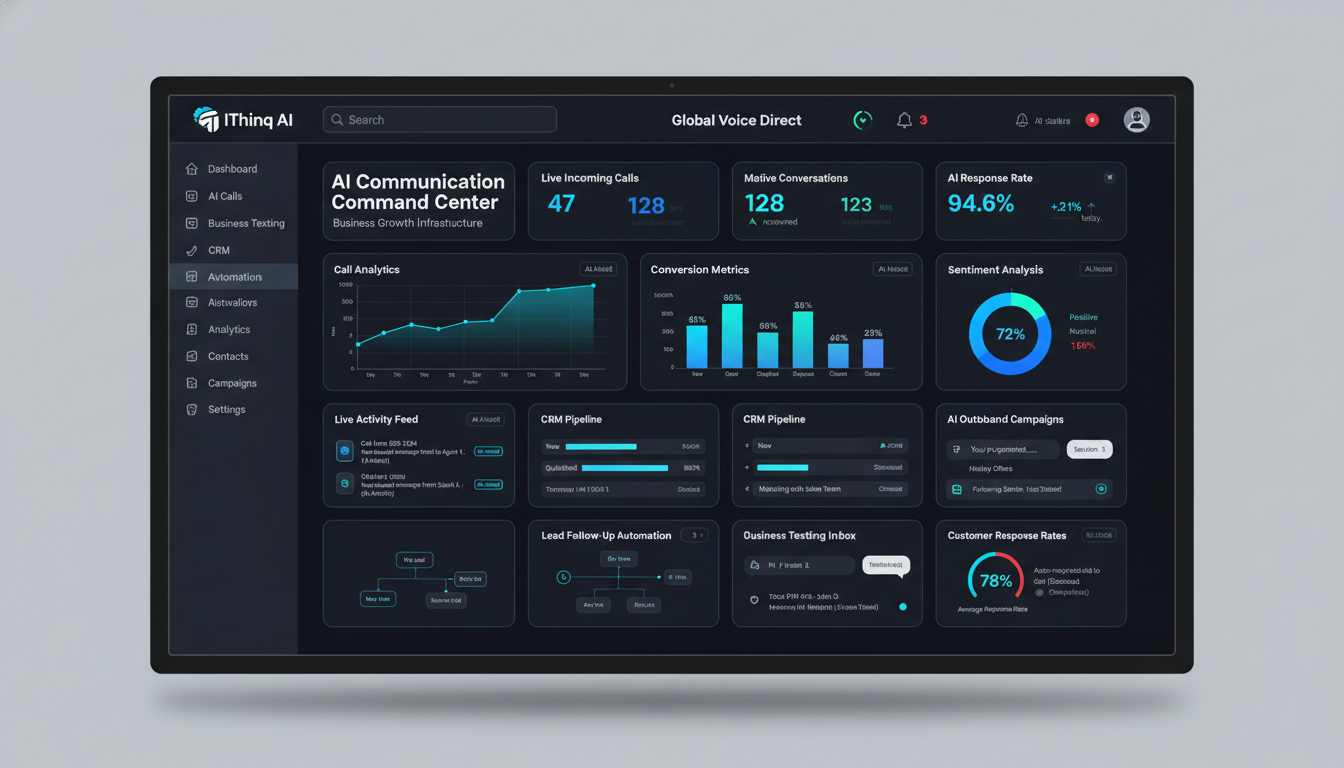
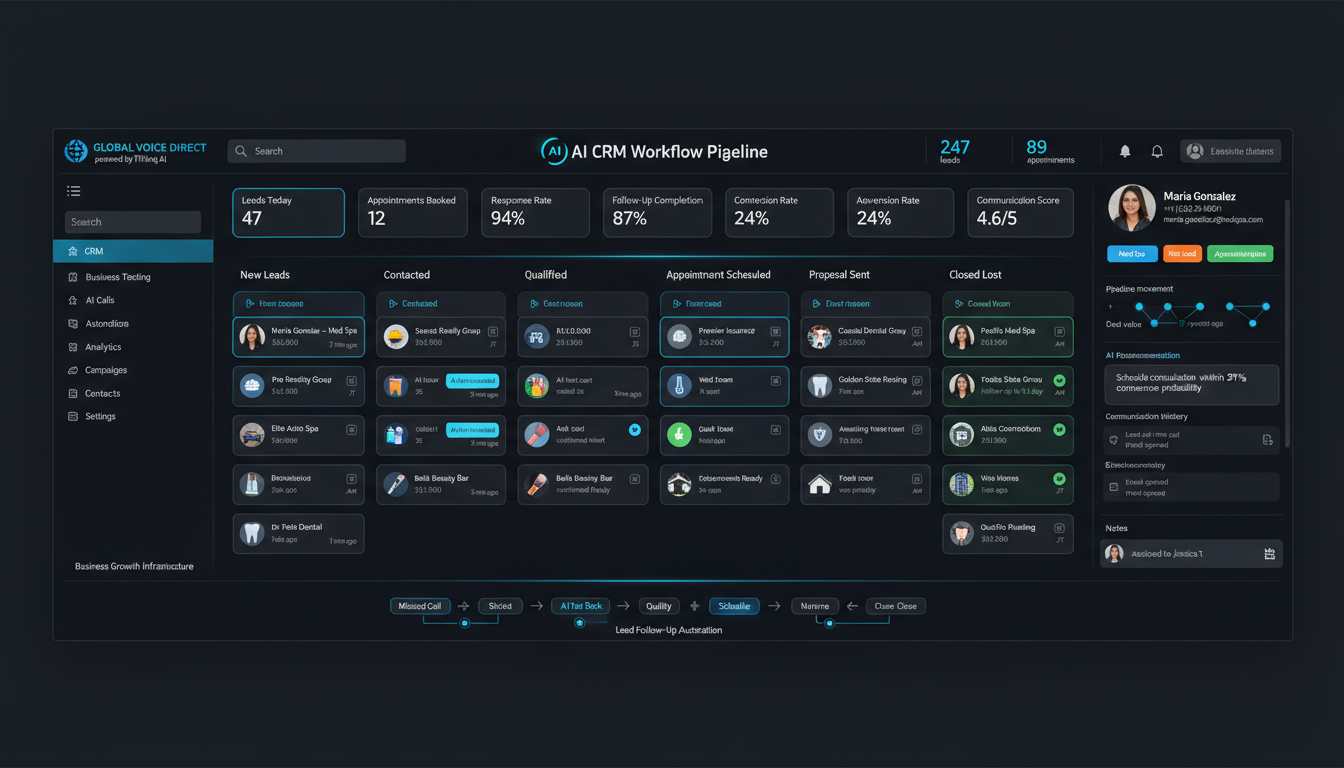
Platforms like IThinq AI show how AI-powered communication tools can improve operational visibility — giving entrepreneurs the information they need to make better decisions faster, without adding manual overhead.
The Decision Flywheel™
Every good decision builds on the last one. Here is how the cycle works:
This is not a metaphor. It is a mechanical reality. Every business that compounds over time is running this loop — whether they know it or not.
This is also the foundation of The Leverage Framework™ — where better decisions multiply the value of every resource in the business.
Common Decision-Making Mistakes
Most decision-making failures are predictable. Which of these do you recognize?
| Mistake | Why It Happens | How To Fix It |
|---|---|---|
| Waiting Too Long | Fear of being wrong | Set a decision deadline. Move. |
| Acting Too Quickly | Urgency or overconfidence | Run through Steps 1–4 first |
| Ignoring Data | Trusting gut over evidence | Make data a required input |
| Ignoring Feedback | Defensive leadership | Create formal feedback channels |
| Chasing Trends | FOMO and peer pressure | Filter every trend through your strategy |
The entrepreneurs who scale past these mistakes are usually the ones who have a structured process in place — not more talent or more confidence, just a better system.
Decision Audit™ Checklist
Before making any significant business decision, run through this checklist.
Decision Audit™ — Pre-Decision Checklist
- Have I clearly defined what I am actually deciding?
- Do I have enough relevant information to decide now?
- Have I identified at least three real options?
- Do I understand the worst-case outcome for each option?
- Am I letting emotion or urgency push me too fast?
- Have I gathered feedback from people closer to the problem than me?
- Does this decision align with the long-term direction of the business?
- Can this decision be reversed if it turns out to be wrong?
- Do I have a clear owner for executing the decision?
- Have I set a date to review the outcome and adjust?
Ten questions. Two minutes. This discipline alone will improve your decision quality significantly over time.
Perfect Decisions Rarely Exist
I used to think great entrepreneurs just knew the right answer. After building multiple businesses, I know better.
The best decisions I have made were not perfect. They were informed. I had enough information, I understood the risk, and I committed fully.
The worst decisions I have made came from one of three places: moving before I had clarity, ignoring feedback I did not want to hear, or letting urgency override process.
What I have learned is this: you will rarely have all the information you want. The goal is not to wait for certainty — it is to build a process that lets you act with confidence on the information you have.
That is what the Decision-Making Framework™ is designed to do.
Every decision you make either sharpens your judgment or dulls it. The framework is how you make sure it sharpens.
Decision Readiness Score™
Rate your business on each dimension from 1 (weak) to 5 (strong).
Clarity
Do you define decisions clearly before acting?
Information
Do you have reliable data to inform decisions?
Risk Awareness
Do you assess downside before committing?
Execution
Do decisions convert to clear action with owners?
Review
Do you measure outcomes and learn systematically?
| Score Range | Readiness Level | Recommended Action |
|---|---|---|
| 20–25 | Decision-Ready | Systematize and scale your process |
| 14–19 | Developing | Strengthen your weakest two dimensions |
| 8–13 | At Risk | Build information systems and review cadence |
| 5–7 | Reactive | Start with the Decision Audit™ on every major choice |
Most entrepreneurs score between 8 and 14 on their first honest assessment. That range is exactly where the framework creates the most impact.
How To Make Better Decisions Faster
Speed and quality are not opposites. Here is how to get both.
Practical Principles
- Standardize small decisions. Create rules and policies for recurring choices so you never spend executive energy on things that do not require it.
- Separate reversible from irreversible. Reversible decisions should move fast. Irreversible decisions deserve more time.
- Set decision deadlines. Indecision is a decision. Put a time on it and commit.
- Build a feedback loop. Review every major decision 30, 60, and 90 days out. This is how judgment compounds.
- Trust the process, not the feeling. When the framework says go, go. When the framework says wait, wait.
The entrepreneurs who scale fastest are not necessarily the smartest. They are the most consistent. They use the same decision process every time — which means their speed increases as the process becomes second nature.
This principle runs through everything in Building Businesses That Last — the businesses that survive are the ones that make fewer catastrophic decisions, not the ones that always make perfect ones.
Frequently Asked Questions: The Decision-Making Framework™
What is the Decision-Making Framework?
The Decision-Making Framework™ is a six-step system — Clarity, Information, Options, Risk Assessment, Execution, and Review — designed to help entrepreneurs make faster, more informed business decisions by replacing guesswork with structured process.
How do entrepreneurs make better business decisions?
Entrepreneurs make better decisions by following a consistent process, gathering relevant data before acting, assessing risk, and reviewing outcomes systematically. The more structured the process, the more reliable the results.
What is strategic decision-making?
Strategic decision-making is choosing between options based on long-term business goals — not just short-term convenience. It involves understanding trade-offs, evaluating risk, and selecting the path that moves the business toward its primary objectives.
Why do business decisions matter so much?
Every outcome in a business — growth, decline, profit, loss — is the result of a series of decisions. Better decisions compound over time into stronger businesses. Poor decisions compound into compounding problems.
What causes poor decision-making in business?
Poor decisions typically stem from emotion, lack of information, urgency, cognitive bias, or short-term thinking. The most common fix is not better intuition — it is a more reliable decision process.
How can leaders make better decisions faster?
Leaders can make better decisions faster by standardizing small recurring decisions, building information systems that surface relevant data quickly, separating reversible from irreversible choices, and using a consistent framework every time.
How do systems improve decision-making?
Systems create reliable information flow, accountability structures, and documented processes that surface the truth about business performance. Better information leads directly to better decisions.
What is the Decision Readiness Score™?
The Decision Readiness Score™ is a self-assessment tool that measures business decision-making quality across five dimensions: Clarity, Information, Risk Awareness, Execution, and Review. Scores range from 5 to 25.
What is the Decision Flywheel™?
The Decision Flywheel™ describes how better decisions lead to better execution, which produces better results, which builds more experience, which enables even better decisions. It is a compounding loop that every successful business runs.
Can the Decision-Making Framework be used for any size business?
Yes. The framework applies to solo founders making early-stage decisions as effectively as it applies to executive teams at scaling companies. The structure adapts to the complexity of the decision, not the size of the organization.
What is the most common decision-making mistake entrepreneurs make?
The most common mistake is acting without clarity — jumping to solutions before defining the actual problem. The second most common is waiting too long because of fear, which turns a correctable mistake into a compounding one.
How does communication improve business decisions?
Communication creates information flow. Customer feedback, team insights, and market signals all improve decision quality — but only if the business has reliable systems to capture and route that information to the people who need it.
How does technology support better decision-making?
Technology tools — analytics platforms, AI assistants, automated reporting, and CRM dashboards — give entrepreneurs real-time visibility into business performance. That visibility enables faster, more accurate decisions at every level of the organization.
What is the Decision Audit™?
The Decision Audit™ is a ten-question pre-decision checklist that ensures clarity, information sufficiency, risk awareness, alignment, and execution readiness before any significant business decision is made.
How does the Decision-Making Framework relate to the Business Execution Framework™?
They are complementary. The Decision-Making Framework™ determines what to do. The Business Execution Framework™ ensures it actually gets done. Strong decisions without strong execution still fail. Strong execution of poor decisions still produces poor results.
What role does risk assessment play in better decisions?
Risk assessment is Step 4 of the framework because it prevents overconfidence. Understanding the realistic downside of each option changes which option you select — and how you prepare for what could go wrong.
How does the review step improve future decisions?
The review step closes the feedback loop. Without reviewing outcomes, you cannot distinguish luck from skill, or correlation from causation. Systematic review is how business judgment compounds over time.
What is the difference between reactive and strategic decision-making?
Reactive decisions are triggered by pressure and made without a clear process. Strategic decisions are made with clarity about the goal, relevant information, and a full evaluation of options and risk. The quality difference is significant.
How long does it take to improve decision-making?
Using the framework consistently for 30 to 90 days produces measurable improvement in most cases. The process becomes faster and more intuitive over time as it replaces old reactive habits with structured ones.
Where can I learn more about business infrastructure and decision systems?
Jonas Janvier covers decision systems, business infrastructure, and entrepreneur frameworks at jonasjanvier.com, where each framework in the series builds on the last to form a complete operating system for sustainable business growth.
Better Decisions Create Better Businesses
The entrepreneurs who consistently make better decisions often create stronger systems, stronger teams, and stronger businesses over time. Start building yours today.
Build Your Business Infrastructure →